 Trusted Contractor Since

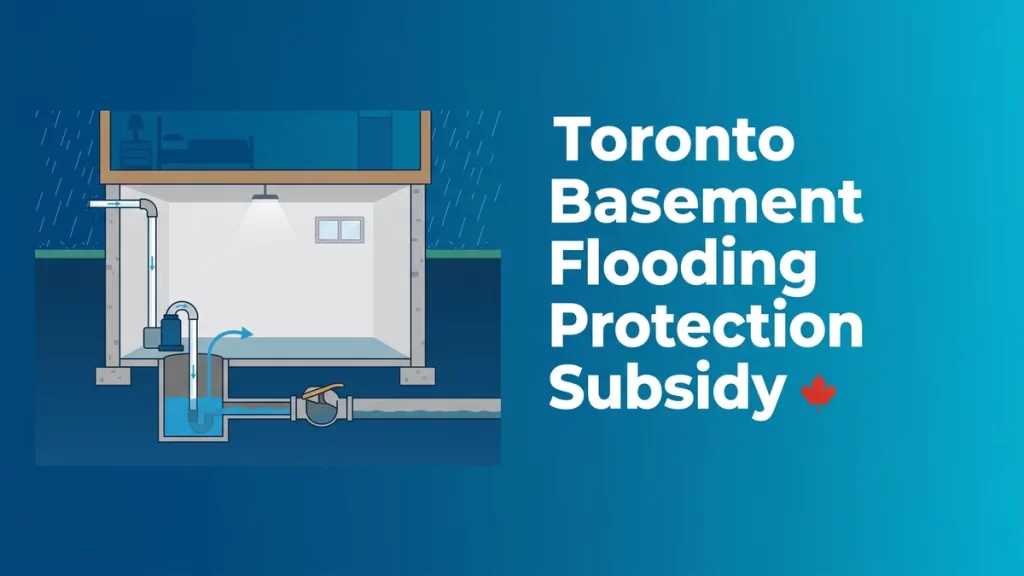
Toronto pays out millions of dollars a year to help homeowners keep stormwater out of their basements, and most people in the city have no idea the money is sitting there for them. The City of Toronto Basement Flooding Protection Subsidy Program covers up to 80 percent of the cost of devices like backwater valves and sump pumps, and as of May 1, 2026, the total available jumped to as much as $6,650 per property. If you have ever dealt with a wet basement or you are planning to waterproof your basement this year, this subsidy can take a real bite out of the bill.
Here is the catch: the program has rules about what qualifies, who can do the work, and how long you have to claim. Miss one of them, and the City can refuse the payment even after you have spent the money. This guide walks through the parts that trip homeowners up, in plain language, so you can plan the work and the paperwork at the same time.
Program Details Change. Subsidy amounts, eligibility rules, and deadlines for the City of Toronto Basement Flooding Protection Subsidy Program are set by the City and can be updated at any time. The figures below reflect the City’s publicly posted terms at the time of writing. Always confirm current amounts, eligible work, and application steps on the official City of Toronto program page before you hire a contractor or submit a claim.
In This Article
- What the Subsidy Actually Covers
- Step 1: Confirm Your Home Is Eligible
- Step 2: Pick the Right Protection for Your Basement
- Step 3: Hire a Licensed Contractor
- Step 4: Keep the Right Paperwork
- Step 5: Apply Within the Deadline
- Common Mistakes That Get Claims Rejected
- When to Ask for Help
- Frequently Asked Questions
What the Subsidy Actually Covers
The program is run by Toronto Water, and the whole point is to reduce the number of homes that flood during heavy storms. Rather than waiting to clean up after the damage, the City would rather help you install equipment that stops water from getting in. The subsidy reimburses a share of the invoiced cost for a short list of flood-protection devices.
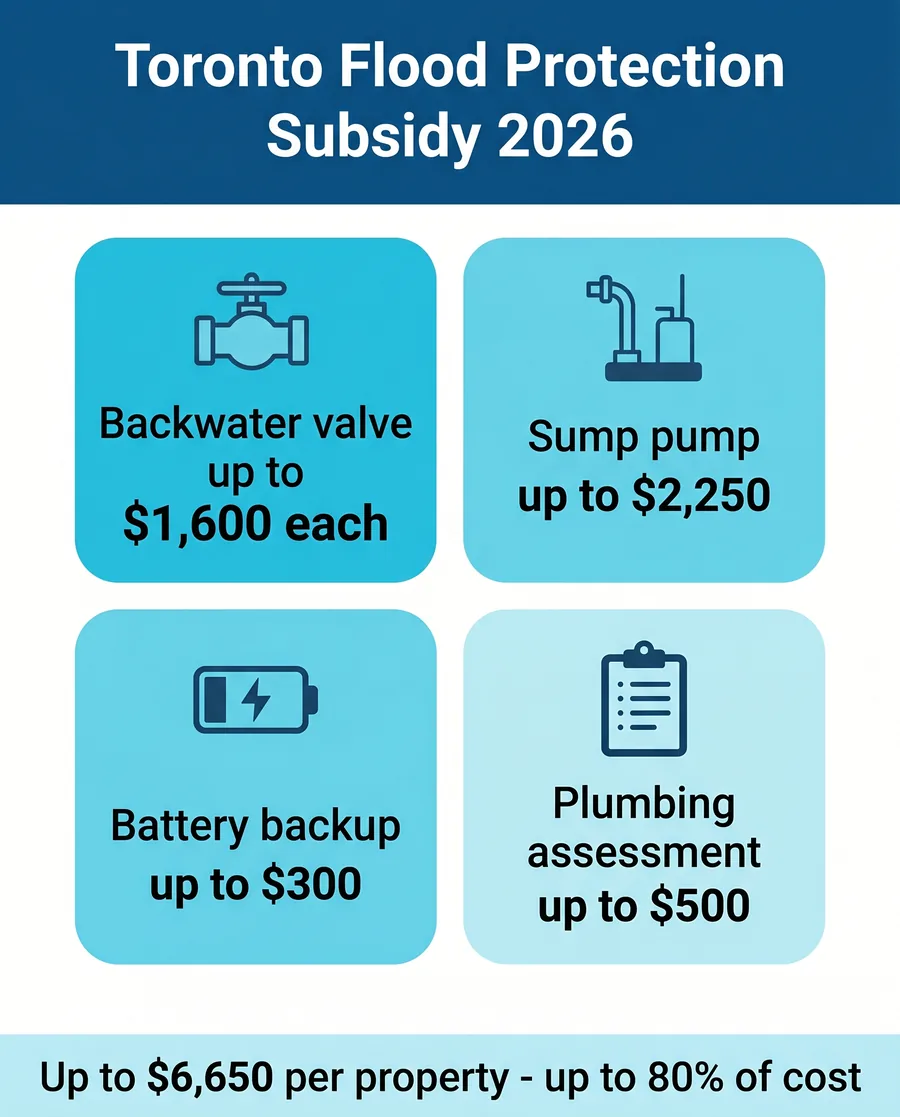
| Eligible Work | Subsidy | Maximum |
|---|---|---|
| Home plumbing assessment | Up to 80 percent | $500 (one time) |
| Backwater valve (per device, up to two) | Up to 80 percent | $1,600 each |
| Sump pump (one device) | Up to 80 percent | $2,250 |
| Sump pump battery backup | Add-on | $300 |
| Foundation drain severance and capping | Up to 80 percent | $400 |
Add it up and a property can claim as much as $6,650. The City raised these amounts in 2026 to keep pace with inflation and the real cost of the work. The expanded figures apply to eligible work completed on or after November 12, 2025. You can read the full breakdown, including any updates since this article was written, on the official program page.
Did You Know?
A backwater valve is a one-way flap installed on your sewer line. During a storm surge it lets wastewater flow out but slams shut if the city sewer backs up, which is one of the most common ways finished basements flood in older Toronto neighbourhoods.
Step 1: Confirm Your Home Is Eligible
Before you spend a dollar, make sure you tick the boxes. The subsidy is aimed at homeowners, not landlords of large buildings, so the property type matters.
- You are the registered owner of a single-family, duplex, triplex, or fourplex property inside Toronto.
- You have no outstanding property taxes or other debts owed to the City.
- Your downspouts are disconnected from the sewer system, which is itself mandatory in most of Toronto.
- The work is done by a contractor who holds a valid City of Toronto business licence.
That downspout rule surprises a lot of people. The City will not approve a flood-protection subsidy if your roof water is still being piped straight into the sanitary sewer, because that defeats the purpose. If yours are still connected, sort that out first.
Step 2: Pick the Right Protection for Your Basement
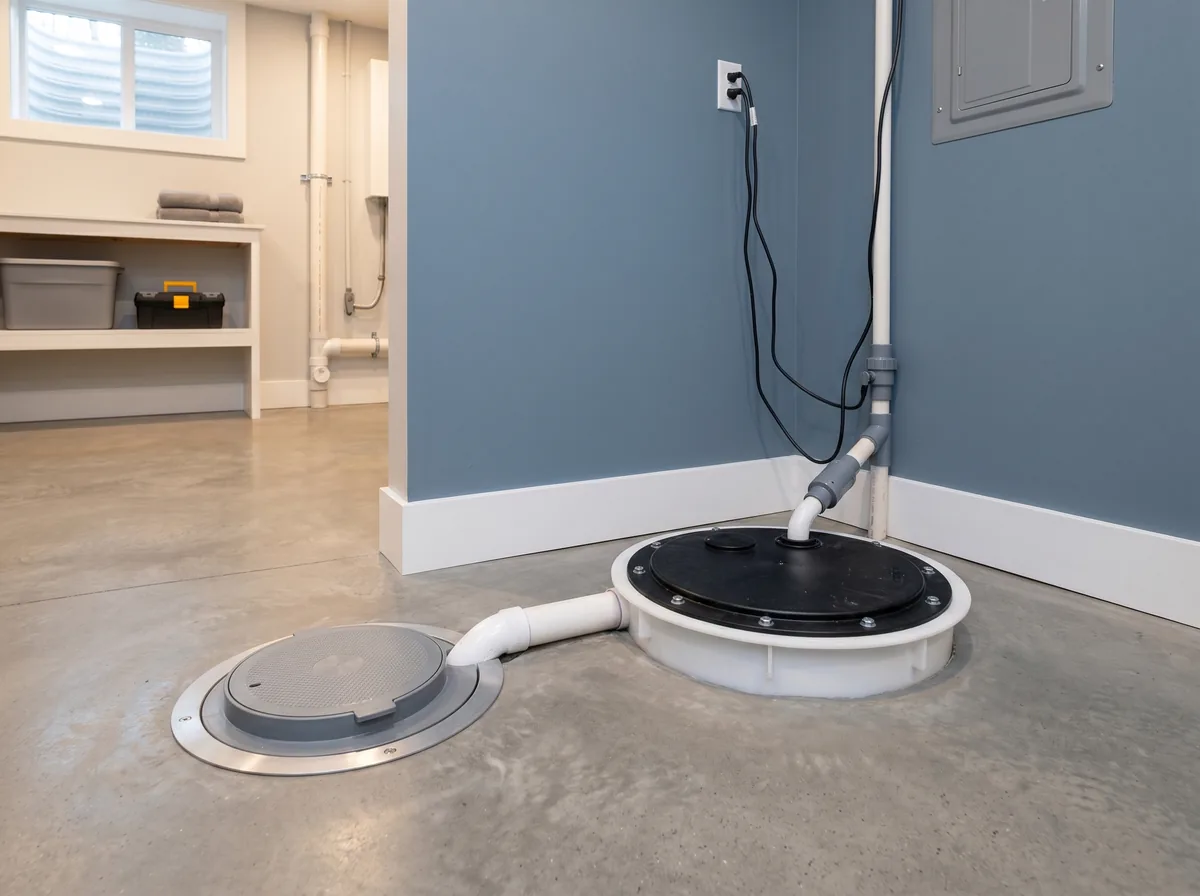
Not every basement needs every device. The right starting point is usually the $500 plumbing assessment, where a licensed plumber inspects your drains and tells you which devices will actually help. From there, the two heavy hitters are the backwater valve and the sump pump.
A backwater valve protects against sewer backup, which happens when the city main fills faster than it can drain. A sump pump system handles a different problem: groundwater rising under your floor slab. Many Toronto homes need both, because the two failure modes are unrelated. If your basement has flooded before, note where the water came from, since that points to which device matters most for you.
Pro Tip
Spend the extra on the battery backup for your sump pump. Toronto’s worst flooding usually comes with the storms that knock out power, and a sump pump with no electricity is just a hole in the floor. The City offers a separate $300 toward the backup for exactly this reason.
Step 3: Hire a Licensed Contractor
This is where claims quietly fall apart. The City only reimburses work done by a contractor with a valid Toronto business licence, and for plumbing work that contractor needs the proper trade licensing too. A cash deal with an unlicensed handyman might look cheaper up front, but it makes you ineligible for the subsidy and can void the device warranty.
Ask any contractor three things before you sign: are you licensed with the City of Toronto, will you pull the required permit for the device, and will you give me an itemized invoice. If they hesitate on any of those, keep looking.
Save Your Money
Get the City’s terms in front of you before you accept a quote. Some contractors price the job at the maximum the subsidy pays, hoping you will not notice that the program only covers 80 percent. You are still on the hook for the rest, so a quote that quietly assumes a full reimbursement can cost you hundreds more than expected.
Step 4: Keep the Right Paperwork
The City reimburses based on documents, not stories. Hold onto the original electronic invoice that shows the work, the device, and the amount you paid, along with proof of payment. If you had the plumbing assessment done, keep that report too, because it supports the case that the device was needed. Photos of the installed device do not hurt.
One detail people skip: the invoice has to be itemized. A single line that reads “basement work, $9,000” will not fly. The City needs to see the specific eligible device and its cost broken out so it can calculate the 80 percent.

Step 5: Apply Within the Deadline
You must submit your application within two years of the installation. That sounds generous, but it slips by fast once a project is finished and life moves on. The safest habit is to apply as soon as you have the final invoice in hand. Submit online through the program page, attach your documents, and keep a copy of the confirmation.
If you are still in the planning stage, walk through the City’s broader guide to preventing basement flooding first. It helps you decide which combination of devices fits your home before you commit to a contractor.
Common Mistakes That Get Claims Rejected
- Using an unlicensed contractor, which makes the entire claim ineligible no matter how good the work is.
- Leaving downspouts connected to the sewer, which fails a core eligibility rule.
- Submitting a lump-sum invoice with no breakdown of the eligible device.
- Assuming the subsidy pays 100 percent and budgeting nothing for your 20 percent share.
- Waiting past the two-year window to apply.
Almost every rejection traces back to one of these. None of them are about the quality of the equipment; they are about eligibility and paperwork, which means they are all avoidable with a little planning.
Download the Free Quick Guide
A one-page checklist of eligibility rules, eligible devices, current subsidy amounts, and the documents you need to claim.
When to Ask for Help
If your basement has already flooded, or you see signs of chronic moisture like efflorescence or musty smells, a device alone may not be the whole answer. Sometimes the smarter move is to combine a subsidized sump pump or backwater valve with proper interior waterproofing so you fix the source, not just the symptom. A free assessment is the easiest way to find out which path makes sense for your home and your budget.
Please Note: The information here is for general guidance only and is not a substitute for an on-site assessment by a qualified professional. Icy Reno Waterproofing is not responsible for any damage, injury, or cost resulting from action taken based on this content. Foundation, drainage, and electrical work can involve permits and licensed trades; if a step calls for excavation, plumbing changes, or electrical wiring, stop and call a qualified contractor.
Frequently Asked Questions
What to Do Next
- Check the official City program page to confirm current amounts and eligibility for your property type.
- Disconnect any downspouts still tied into the sewer.
- Book a free in-home assessment so you install the right devices the first time.
Icy Reno Waterproofing serves homeowners across Toronto and the GTA. Call (647) 454-6600 or request your free assessment and we will help you plan work that fits the subsidy.