
 Trusted Contractor Since


Your basement smells musty but looks dry because moisture vapor easily penetrates porous concrete walls and floors without leaving visible puddles. This invisible foundation moisture raises the relative humidity of the air. When indoor humidity exceeds 60 percent, hidden mold in basement spaces begins to grow behind drywall, under flooring, or inside insulation. This microscopic mold releases volatile organic compounds (VOCs) that create a distinct earthy, damp smell no visible water can account for.
What Causes a Musty Basement Smell Without Visible Water?
Walking into a clean room and being hit by an earthy, damp odor is incredibly frustrating. You check the corners, inspect the walls, and find absolutely no puddles or wet spots. Yet, your basement smells musty but looks dry.
The culprit is almost always invisible foundation moisture. Concrete is a highly porous material that acts like a hard sponge. Even if liquid water is not actively leaking through a crack, water vapor constantly moves through the foundation.
This vapor evaporates into your basement air. This creates high humidity basement odors that linger indefinitely. You might not see the water, but your nose definitely detects the aftermath.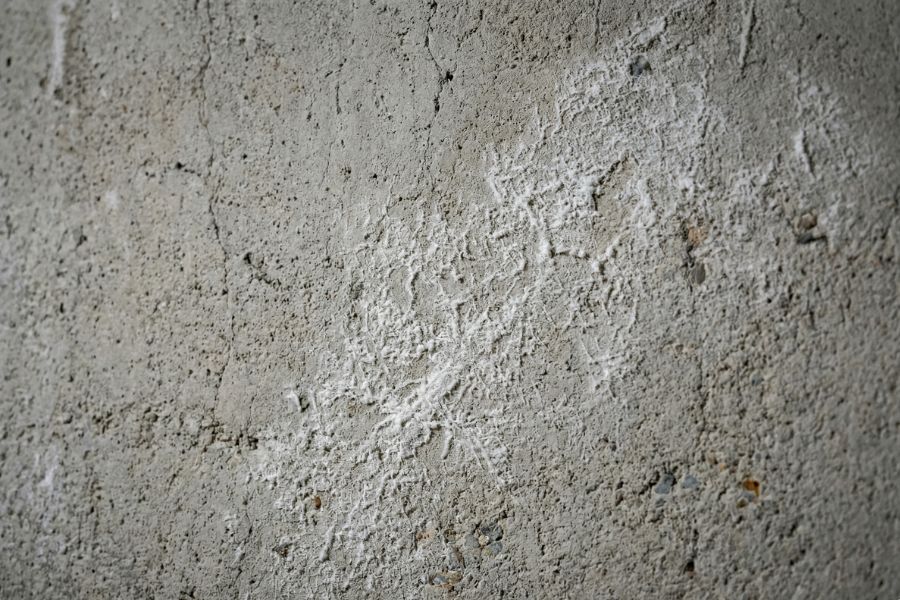
How Can Moisture Enter a Basement Invisible to the Eye?
To understand why your basement smells musty but looks dry, we need to look outside. The soil surrounding your home holds a massive amount of water after rain or snowmelt. This creates hydrostatic pressure.
Hydrostatic pressure pushes water against your foundation walls. Through a process called capillary action, moisture wicks up through the concrete footings and walls. It eventually evaporates into your interior space.
Here are the most common invisible moisture pathways:
- Vapor Transmission: Moisture passing directly through solid concrete walls as a gas.
- Cove Joint Seepage: Microscopic amounts of water evaporating where the wall meets the floor.
- Unsealed Sump Pits: Open sump basins releasing ground moisture directly into the air.
- Poor Ventilation: Stagnant air trapping natural earth moisture indoors.
Can High Humidity Alone Make a Basement Smell Musty?
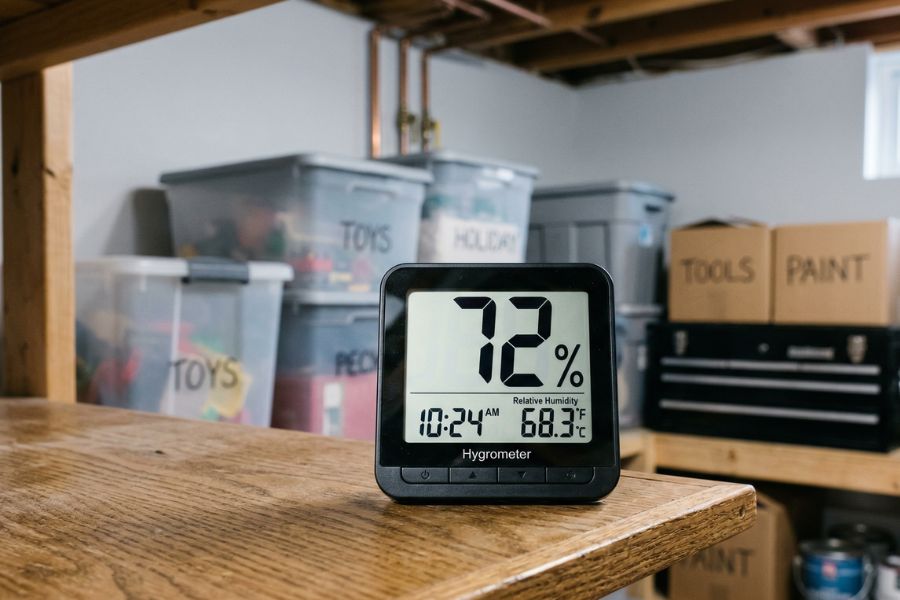
Absolutely. High humidity is the number one reason a basement smells musty but looks dry. Mold and mildew do not actually need standing water to thrive.
They only need organic material to eat (like wood, paper, or dust) and sufficient air moisture. According to Environmental Protection Agency (EPA) guidelines on indoor mold, keeping indoor relative humidity below 60 percent is crucial. Once it creeps past that threshold, mold spores wake up and start multiplying.
This is further complicated by the “stack effect”. Warm air rises in your home, pulling the cold, damp basement air up into your main living spaces. This means those high humidity basement odors will eventually affect your entire house.
Where is the Hidden Mold Hiding in My Basement?
If you have a damp smell no visible water can explain, you likely have hidden mold in basement cavities. Mold hates sunlight and loves dark, undisturbed places. Because vapor moves through the foundation, the mold often grows on the hidden backside of your finished materials.
IcyReno frequently discovers significant mold colonies during demolition projects in seemingly dry basements. Homeowners are often shocked by what we uncover behind their pristine walls.
Check the following table for the most notorious hiding spots:
| Hiding Spot | Why It Grows There | Warning Signs |
|---|---|---|
| Behind Drywall | Trapped moisture vapor condenses on the cold foundation and transfers to the paper backing of the drywall. | Soft spots on walls, peeling paint, or baseboards pulling away. |
| Under Laminate Flooring | Concrete slabs wick moisture up from the soil. Laminate traps this moisture, creating a greenhouse effect. | Cupping floorboards, soft spots when walking, or a heavy smell near the floor. |
| Inside Fiberglass Insulation | Fiberglass absorbs ambient humidity easily. Dust settles in the fibers and provides food for the mold. | Discolored, black, or pinkish stains on exposed insulation batts. |
| HVAC Ductwork | Cold air ducts in a warm, humid basement cause condensation to form on the metal surfaces. | Musty blasts of air when the furnace or air conditioner turns on. |
How Do I Get Rid of a Damp Smell in a Dry Basement?
Masking the odor with air fresheners will not solve the underlying issue. To fix a basement that smells musty but looks dry, you must stop the moisture at the source. This requires a systematic approach to humidity control.
First, invest in a high-capacity basement dehumidifier. Standard room dehumidifiers are rarely powerful enough to handle subterranean moisture loads. A commercial-grade unit will strip the excess water vapor from the air and stop mold growth in its tracks.
Next, evaluate your exterior grading and drainage. Ensure your downspouts extend far away from the foundation. If water pools near your house, it will eventually turn into vapor inside your basement.
Finally, consider learning how to stop mold with proper basement sealing and moisture control. Applying specialized vapor barriers to the walls and floors prevents that microscopic capillary action from ruining your indoor air quality.
When Should I Call a Basement Waterproofing Professional?
If you have run a dehumidifier and checked your gutters but the smell persists, it is time to call in the experts. A persistent odor means moisture is defeating your home’s natural defenses. Ignoring it can lead to structural rot and serious respiratory issues for your family.
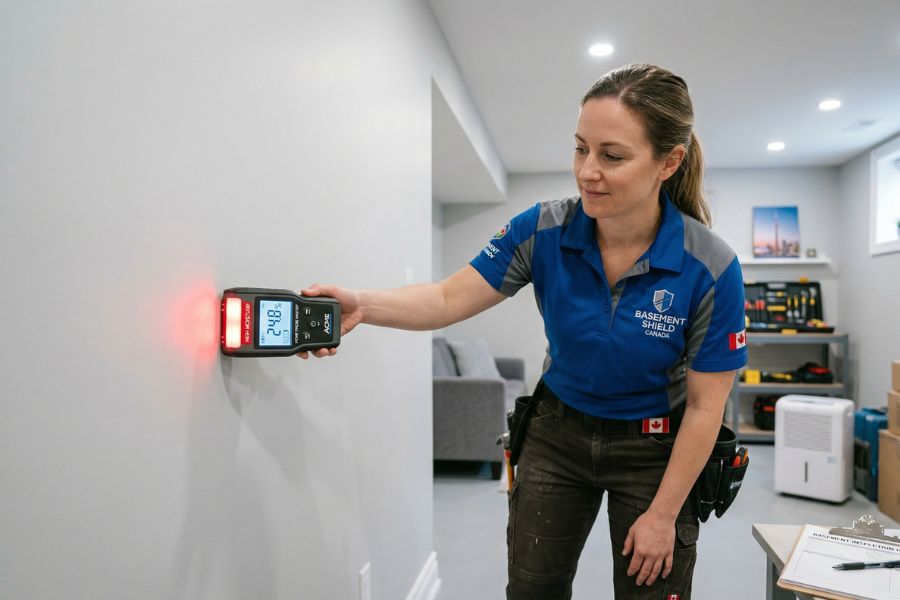
At IcyReno, we use advanced moisture meters and thermal imaging to locate the exact source of your invisible foundation moisture. We can identify exactly where the vapor is entering and design a custom solution.
Sometimes, the only permanent fix involves implementing professional interior waterproofing in your Toronto home. This involves installing internal drainage systems and heavy-duty vapor barriers that completely isolate your living space from the damp earth.
The Final Verdict
Do not let your nose trick you. A basement does not need to be actively flooding to suffer from severe moisture problems. A basement smells musty but looks dry because nature always finds a way to push water vapor indoors.
Taking action early protects your property value and your health. If you are tired of breathing in damp air, reach out to the IcyReno team today for a comprehensive moisture assessment.

Written by